
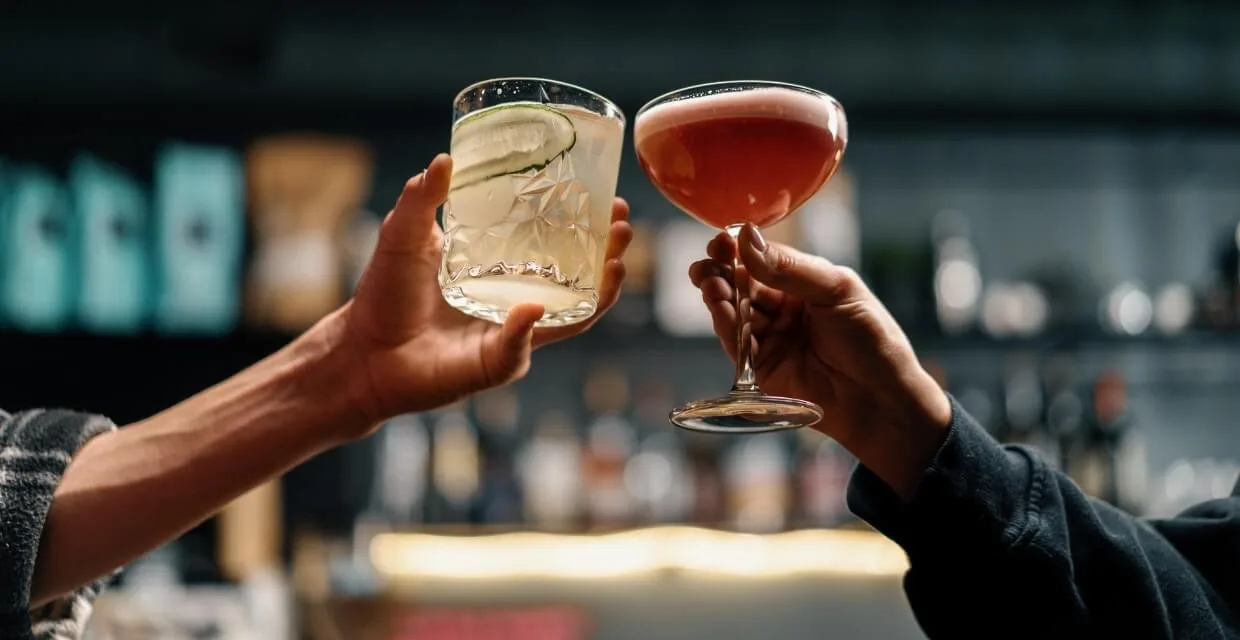
We’ve broken down what you need to have a successful destination marketing strategy built around a cocktail trail — in 3 easy steps.
What is a Cocktail Trail?
A cocktail trail is a carefully curated list of bars and beverages to try at your destination, created by Destination Marketing Organizations (DMOs). This authoritative marketing content is designed to influence visitors’ experiences and drive foot traffic to local venues.
Step 1: Identify Your Hook
Every destination has a unique story. Finding the perfect hook for your cocktail trail attracts the right travelers. Examples: highlighting hidden gems, women and minority-owned bars, lesser-known spots to spread crowds, emerging neighborhoods, local or seasonal trends, or cocktails invented at your destination.
Real examples: Kingsport, TN (birthplace of the Long Island Iced Tea), New Orleans (Sazerac, Hurricane, jazz culture), Key West (Rum Runners and pirate history). The same hook logic applies to beer trails — the Santa Rosa Beer Passport built its hook around FeBREWary, turning Sonoma County’s slowest month into a gamified 16-brewery challenge that’s now in its 10th year.
Step 2: Pay Attention to Cocktail Trends
Trend #1 — Behind-the-Scenes Distillery Tours: VIP experiences showing the craftsmanship behind every sip — distillation process, local ingredient selection, bespoke cocktail classes. These foster community and encourage return visits.
Trend #2 — Speakeasies: Add mystery and intrigue. Create check-in challenges that unlock passwords and directions to the first speakeasy, with clues guiding participants through the trail. Top spots: Angel’s Share (NYC), The Laundry Room (Las Vegas), The Velvet Tango Room (Cleveland).
Trend #3 — The Mocktail Movement: Weave in non-alcoholic stops — cafes, juice bars, tea shops, soda shops — for inclusivity and pacing. Zero-proof bars like Hekate (NYC), Honey Elixir (Denver), and Sans Bar (Austin) are leading this movement.
Trend #4 — Make a Scene: Smoked cocktails, flaming concoctions, edible flowers — Instagrammable drinks drive organic social sharing. Highlight these in guides and campaigns.
Step 3: Focus on Your Destination Marketing Goals
Align your cocktail trail with clear objectives: differentiate your destination, fight low seasonality, encourage local spending, increase revenue, and tell your destination’s story through creative trails that boost tourism.
A real-world example at its most ambitious: the J. Rieger & Co. Raise a Cup Cocktail Trail was built specifically to capture 650,000 FIFA World Cup visitors flowing through Kansas City. The historic distillery partnered with Seeker XP to turn the city into a gamified bar trail, driving badge-earning explorers to the distillery door. That’s a cocktail trail solving a seasonality spike rather than a slump — same mechanics, different goal.
A cocktail trail also pairs naturally with other seasonal food-and-beverage campaigns. Many DMOs run a Restaurant Week pass earlier in the year and bring those same diners back for a cocktail trail — one platform, multiple campaigns, a growing first-party database.
The next time someone says alcohol can’t solve your destination marketing problems, show them how you crushed your goals with immersive experiences, storytelling, and community engagement one cocktail at a time.