Experiential marketing isn’t just growing, it’s outperforming everything. In 2026, it is solidifying its position as the premier marketing strategy to build trust and brand loyalty.
What is Experiential Marketing?
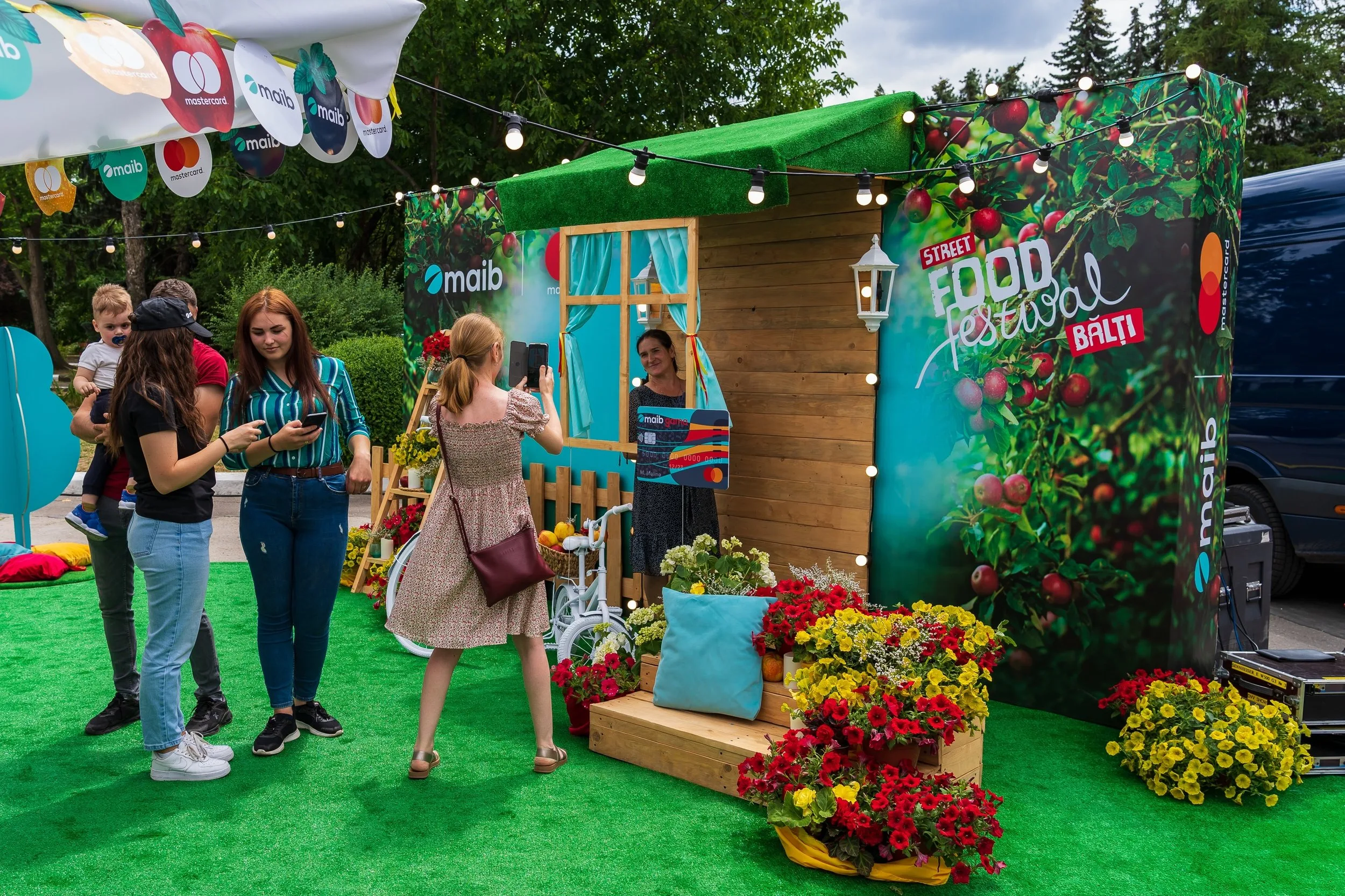
Experiential marketing is a strategy that focuses on creating memorable, immersive experiences for consumers. Rather than relying on traditional advertising methods, experiential marketing engages people directly, encouraging them to interact with a brand in a way that fosters emotional connections and long-term loyalty. These experiences can range from pop-up events and interactive installations to brand activations and product sampling, all designed to leave a lasting impression.
While most channels optimize for a single outcome (clicks, impressions, or conversions), experiential marketing delivers across the full funnel: attention, emotion, memory, and action.
Below is a comprehensive, data-backed breakdown of 26 experiential marketing statistics, organized by what actually drives results.
Memory & Emotion (Why People Participate and Care)
78% of consumers can recall a brand after an experiential interaction
According to ZipDo, experiential campaigns significantly outperform traditional advertising in brand recall because they engage multiple senses and create memorable touchpoints.
63% of consumers feel emotionally connected to a brand after an experience
ZipDo also reports that experiential marketing creates emotional resonance, which is a key driver of long-term brand loyalty and trust.
64% of consumers retain a positive impression for at least a month after an experience
According to Kadence International, experiential marketing creates a lasting “brand halo” effect that extends well beyond the initial interaction.
77% of marketers say experiential marketing increases brand awareness
Data from G2 highlights that marketers see experiential as a top driver of meaningful brand awareness—not just impressions.
70% of attendees become repeat customers after an experiential event
According to Gitnux, experiential marketing plays a major role in shaping repeat behavior and long-term customer value.
65% of consumers say live experiences help them understand products better than any other channel
Gitnux also reports that hands-on experiences improve product comprehension more effectively than digital or traditional formats.
Behavior & Conversion (Why People Take Action)
Experiential campaigns deliver an average 3:1 to 5:1 ROI
According to Union, experiential marketing consistently delivers strong returns due to deeper engagement and higher conversion rates.
91% of consumers say experiences increase their likelihood to buy
Research from Union shows that immersive brand experiences directly influence purchase intent by strengthening emotional engagement.
85% of consumers are more likely to purchase after participating in a brand experience
According to Forbes, consumers who engage in branded experiences are significantly more likely to convert.
Consumers spend 2x more time engaging with experiential activations vs traditional advertising
ZipDo highlights that experiential marketing captures significantly more attention—one of the most valuable metrics in modern marketing.
83% of consumers are more likely to share experiential moments on social media
According to ZipDo, experiential marketing is inherently shareable, turning participants into content creators.
38% of attendees share content in real-time during events
Gitnux reports that real-time sharing has transformed experiential into a live distribution channel.
52% of consumers become brand advocates after a positive experience
Also according to ZipDo, experiential marketing drives advocacy—one of the most powerful forms of organic growth.
98% of consumers create digital or social content at events
Data from Team Tecna shows that nearly all participants contribute to content amplification.
87% of consumers say live events make them feel more connected to a brand
Team Tecna also highlights the role of experiential in building deeper brand relationships.
72% of millennials prefer experiential marketing over traditional advertising
According to Eventbrite, younger audiences prioritize experiences over interruptions, reshaping marketing strategies.
Amplification & Reach (Why It Scales Beyond the Moment)
92% of marketers plan to strengthen post-event follow-up to improve experiential marketing ROI
This stat from Forrester reveals a major shift in how brands approach experiential marketing: it’s no longer treated as a one-off event. Instead, marketers are increasingly focused on what happens after the experience—capturing data, nurturing leads, and extending engagement beyond the moment.
Experiential marketing can influence up to 83% of tourism demand in destination markets
Research published on arXiv shows that experiential strategies play a major role in driving tourism and local economic activity.
9 out of 10 marketers say experiential marketing is essential to their strategy
According to G2, experiential marketing has become a core pillar of modern marketing strategies, not just a supplementary tactic.
77% of marketers say live events are their most effective marketing channel
Data from Team Tecna shows that live experiences outperform many traditional and digital channels in effectiveness.
78% of organizers rank in-person events as their top-performing tactic
According to Bizzabo, even in B2B environments, experiential marketing drives the strongest results.
74% of Fortune 1000 marketers plan to increase experiential budgets
G2 reports that enterprise-level brands are significantly increasing investment in experiential marketing.
51% of brands plan to increase experiential investment through 2026
According to Newbridge Marketing Group, more than half of brands are doubling down on experiential as a long-term strategy.
Global experiential marketing spend is projected to exceed $120 billion
Yahoo Finance estimates that experiential marketing investment will surpass pre-pandemic levels, signaling massive industry growth.
Conclusion: Turning Insights Into Action
The data is clear: experiential marketing is no longer optional—it’s one of the most effective ways to drive engagement, build trust, and influence purchasing decisions. As consumers shift toward interactive, community-driven, and immersive experiences, brands and destinations are finding success by executing measurable, scalable experiences that people actually want to participate in.
That’s where Seeker XP stands out.
Seeker XP is built specifically to help destinations, event organizers, and brands launch high-performing experiential campaigns using digital passports, gamification, and real-time engagement tracking. It gives you a centralized platform to create interactive experiences that drive participation, increase dwell time, and deliver measurable results. Seeker XP isn’t just a tool—it’s the infrastructure for modern experiential marketing.
As experiential marketing continues to grow, the organizations that win will be the ones that can turn engagement into data, and data into repeatable success.
—
Sources
1. Zipdo Education Report 2026: Experiential Marketing Industry Statistics
2. Kadence International: The Return of Experiential Marketing and Why It Matters
3. G2: 70+ Experiential Marketing Statistics You Should Know in 2025
4. Gitnux Report 2026: Experiential Marketing Statistics
5. Union: The Power of Experiential Marketing.
6. Forbes: Beyond The Digital Noise: Rethinking Engagement In A Saturated Landscape With Experiential Marketing
7. Team Tecna: Experiential marketing statistics – 30 stats to shape your next campaign
8. Eventbrite: Millenials- Fueling the Experience Economy
9. Forrester: The Global State Of B2B Events
10. ArXiv: Experiential Marketing Strategy and Tourism Demand
11. Bizzabo: The Events Industry’s Top Marketing Statistics, Trends, and Benchmarks for 2026
12. Newbridge Marketing Group: Benefits of Experiential Marketing That Drive ROI
13. Yahoo Finance: Spending on experiential marketing tops pre-pandemic levels