

Consumers are tuning out of traditional advertising at record rates. They want to do something, not just see something. They want to show up, participate, explore, and share. The brands winning in 2026 are the ones creating experiences that pull people off their couches and into the world.
The numbers back this up. Business Research Insights projects the Global Brand Activation market to hit over $86 billion in 2026 and on track to reach over $137 billion by 2035, growing at a compound annual growth rate of 5.28%- a clear signal the experiential, participatory marketing is no longer a nice-to-have strategy. Meanwhile, ATN reports that 80% of consumers believe that in-person events are the most trusted way to discover new products and services.
The challenge is execution. Most brands have a vision for activation, like a scavenger hunt at a festival, a digital passport for a heritage trail, or a community events hub for a destination- but they lack the technology to bring it to life at scale.
What is Brand Activation?
Brand activation is a strategic marketing approach designed to create tangible, memorable experiences that engage consumers and build emotional connections with a brand. It involves a variety of interactive tactics that go beyond traditional advertising to actively involve the audience in the brand’s story. The goal of brand activation is to drive consumer action and foster long-term loyalty by immersing them in experiences that resonate personally and create lasting impressions.
At its core, brand activation transforms passive brand exposure into dynamic interactions that actively involve consumers. This can include experiential marketing events, product launches, promotional activities, and gamified experiences that invite participants to engage with the brand in meaningful ways. By leveraging creative strategies and interactive elements, brand activation helps brands stand out in a crowded marketplace, deepen their relationships with target audiences, and ultimately drive business growth through enhanced engagement and loyalty.
In this guide, we will explore:
Benefits of Brand Activation Campaigns
How to Develop a Brand Activation Strategy
History of Brand Activations
Brand activations have evolved significantly over the decades, tracing their roots back to early forms of experiential marketing and promotional activities. The concept of engaging consumers through direct interaction has been around for a long time, but the formalization and expansion of brand activation as a distinct strategy began to take shape in the late 20th century.
In the 1950s and 1960s, companies started experimenting with in-store promotions and live events to engage customers directly. These early efforts laid the groundwork for what would later become known as brand activation. By the 1980s and 1990s, the rise of experiential marketing saw brands increasingly leveraging events, sponsorships, and interactive experiences to build stronger connections with their audiences. Major brands began to realize the power of creating memorable experiences that went beyond traditional advertising, leading to more sophisticated and immersive activation strategies.
The early 2000s marked a significant turning point with the advent of digital technology, smartphones, and social media, which have profoundly shaped brand activation. Smartphones have revolutionized brand activations by allowing for real-time engagement, location-based interactions, and instant sharing of experiences across social media platforms. The rise of influencer marketing has enabled brands to leverage trusted voices to amplify their activation efforts, creating more authentic and relatable connections with consumers. These advancements have expanded the reach and effectiveness of brand activations, making them more dynamic and interactive.
The rise of consumer demand for personalized and interactive experiences suggests that brand activation is not just a trend but a crucial component of future marketing strategies, offering brands an opportunity to forge deeper connections and drive lasting loyalty.
Benefits of Brand Activation Campaigns
Brand activations offer a range of advantages for businesses looking to deepen their connection with consumers and drive meaningful engagement. According to EventTrack 2026 report– the industry’s most comprehensive annual study of experiential marketing– 61% of consumers are more inclined to purchase after attending a brand event. Here are some key benefits:
Enhanced Brand Awareness
Traditional advertising creates impressions. Brand activations create memories. There’s a meaningful difference: passive exposure fades quickly, while experiences tied to physical participation, emotion, or novelty are encoded differently in people’s memory and recalled far more readily.
This is why activations tend to outperform equivalent ad spend on awareness metrics. When someone directly engages with your brand, like completing a challenge, visiting a location, or earning a reward, they form an association that a banner ad simply can’t replicate. The more sensory and participatory the experience, the stronger the recall.
Stronger Emotional Connections
More than price, convenience, or product quality, the single strongest predictor of long-term brand loyalty is emotional connection. Brand activations are one of the few marketing formats that can reliably generate genuine emotion, because they put people inside an experience rather than in front of a message. By involving consumers in engaging experiences, brand activations foster emotional connections with the brand. These connections are built through memorable interactions and personalized experiences that resonate on a deeper level, leading to increased brand loyalty and advocacy.
It’s not just that activations feel good. It’s that they create shared experiences, which are inherently social. People who experience something together, or who feel like they’re part of a community around a brand, are far more likely to talk about it, recommend it, and defend it. That word-of-mouth is worth more than any paid placement.
Deeper Consumer Engagement
Engagement metrics in digital marketing are notoriously shallow. Clicks, views, and likes don’t tell you much about whether someone will take meaningful action, like making a purchase. Brand activations force a different kind of engagement: one that requires time, attention, and physical presence.
Brand activations are designed to actively involve consumers, encouraging them to participate, interact, and engage with the brand. This direct engagement not only drives immediate action but also provides valuable insights into consumer preferences and behaviors.
When someone spends 20 minutes completing a photo scavenger hunt or works through a digital passport experience, they’re not passively consuming, they’re investing their time and attention. That investment creates a sense of ownership and affinity that shallow digital engagement can’t produce. It also gives you far richer behavioral data: not just that someone engaged, but how, where, and for how long.
Effective Lead Generation
Not all leads are equal. A lead captured through a brand activation via someone who showed up, participated, and opted in, is categorically different from a lead captured through an email subscription form. They’ve already demonstrated intent and interest through their real-world behavior.
Through interactive experiences and promotions, brand activations can generate high-quality leads. By capturing participant information and tracking engagement, brands can build a database of potential customers for follow-up and nurturing. Activations also create natural moments for data capture that don’t feel transactional. When participation requires a sign-up, a check-in, or a profile, people are willing to share information they’d never give up in a cold form because they’re getting something genuinely valuable in return. That’s the foundation of a zero-party data strategy: earning data through experience rather than extracting it through friction.
Amplified, Organic Reach through Social Media
Brand activations often encourage participants to share their experiences on social media, extending the reach of the activation beyond the event itself. This organic amplification can drive additional brand exposure and attract new audiences.
According to Limelight experiential marketing statistics, 98% of consumers create digital or social content at live brand experiences, meaning a well-designed activation essentially turns every attendee into a content creator. Experiential campaigns that build in shareable moments, like a striking visual installation, a personalized takeaway, or a surprising interaction, consistently outperform paid social in authenticity and reach.
Valuable Consumer Insights
Engaging directly with consumers provides brands with valuable feedback and insights into their preferences, behaviors, and perceptions. This data can inform future marketing strategies and help tailor offerings to better meet customer needs.
The real value isn’t just the contact data. It’s the behavioral signals: which locations people visited, which challenges they completed, how long they engaged, and what they skipped. This kind of data reveals genuine preferences and motivations that survey responses rarely capture. Platforms like Seeker XP are built to surface exactly this– giving brands a clear picture of how their audience actually behaves in the real world.
Boosted Sales and Conversions
Brand activations create purchase intent at the moment of peak engagement which is also the moment of peak receptivity. When someone has just had a great experience with your brand, they’re far more likely to convert than they would be after seeing a retargeted ad three days later.
This is why activations that incorporate a direct conversion mechanism, like a discount earned through participation, an exclusive product available only at the event, or a savings pass redeemable at partner locations, tend to see strong immediate ROI alongside their longer-term brand-building effects. The experience creates the desire while the offer gives people a reason to act on it now.
Differentiation from Competitors
In a competitive market, brand activations can set a brand apart by offering unique and innovative experiences that capture consumer interest. This differentiation helps to establish a distinct brand identity and positioning.
A competitor can match your price. They can copy your product features. They can outspend you on media campaigns. But what they can’t easily replicate is a distinctive, well-executed brand experience, especially one that’s built into the fabric of a place or community.
Activations that are deeply tied to a specific location, audience, or cultural moment create a kind of differentiation that’s inherently defensible. The experience is the brand, in a way that no amount of advertising can manufacture. Over time, this builds a brand identity that’s felt rather than just recognized.
Building Long-Term Brand Loyalty
Loyalty isn’t just about satisfaction– it’s about habit and identity. The most loyal customers aren’t just people who like your brand; they’re people who have integrated it into how they see themselves and how they spend their time and money.
By creating positive, engaging experiences, brand activations accelerate this process by fostering long-term loyalty and repeat business. A well-designed activation isn’t a one-time event, it’s a program of touchpoints: Each one deepens the relationship and makes the next interaction more likely. That compounding effect is what separates a loyal customer from a satisfied one. Loyal customers are more likely to become brand advocates, influencing others and contributing to sustained brand growth.
How to Develop a Brand Activation Strategy
Developing a robust brand activation strategy is more than just planning a great event- it’s about engineering moments that turn your audience’s interest into real-world action. It involves a series of well-planned steps aimed at creating engaging experiences that connect with your target audience and drive meaningful results. For experiential marketers, that means designing experiences that meet people both physically and emotionally, giving them a reason to show up, participate, and come back.
Here’s a comprehensive guide to crafting a successful brand activation strategy:
1. Define Your Objectives
Like all marketing campaigns, the first step in effective brand activation starts with a clear answer to one question: “what does success look like?” To do this you need to clearly define your objectives. What do you want to achieve with your activation?
Objectives can range from increasing brand awareness, driving sales, and generating leads, to enhancing customer loyalty or building awareness for a new product. Clearly defined objectives will guide the rest of your strategy and ensure that all activities align with your overall goals. The more specific your objectives, the easier it is to design an activation that delivers, and measure whether it worked.
2. Understand Your Target Audience
A brand activation is only as strong as its relevance to the people it’s designed for. To create a compelling brand activation, you need to have a deep understanding of your target audience. Go beyond basic demographics. Conduct thorough market research to identify their preferences, behaviors, and pain points. Understand what motivates your audience and what kind of experiences they actually want to have. Use surveys, past data, and zero-party data to tailor your activation to resonate with your audience. Understanding their interests and motivations will help you design experiences that are engaging and relevant.
3. Develop a Creative Concept
With your objectives and audience in mind, develop a creative concept for your activation. This concept should be innovative and engaging, capturing the essence of your brand while appealing to your audience. Consider what makes your brand activation shareable. A challenge worth completing? A reward worth earning? Concepts that incorporate elements such as experiential marketing, gamification, and interactive content tend to generate the highest organic reach and participation. For example, a destination brand might build a concept around a photo scavenger hunt that guides visitors through the city, turning exploration into a game and resulting in user-generated content along the way. The concept should be unique and memorable, setting your brand apart from competitors and creating a lasting impression.
4. Choose the Right Channels and Tactics
With your concept defined, select the channels and tactics that will best deliver it most effectively to your target audience. This may include activations at live events, pop-up shops, digital campaigns, social media engagement, influencer partnerships, or experiential installations. Each channel has its strengths, so choose those that align with your objectives and reach your audience effectively. For example, live events can create immersive experiences, while digital campaigns can offer broader reach and real-time interaction.
The most effective brand activations combine physical and digital touchpoints. A live experience anchors the activation in the real world, while a digital layer like a branded app, digital passport, or social campaign, extends its reach and keeps participants engaged before, during, and after the event.
5. Plan the Logistics
Strong creative falls apart without solid execution. Once you have your concept and channels in place, plan the logistical aspects of your activation. Map out every single detail. This includes:
Budgeting: Determine the budget for the activation and allocate resources accordingly. Consider costs for production, staffing, promotion, technology, contingency, and any other expenses. Be realistic about what each element costs. For example, experiential brand activations often have hidden costs in logistics and on-site staffing.
Timeline: Develop a detailed timeline for the activation, including key milestones and deadlines. Work backward from your activation date and build in buffer time for delays and creative revisions. Ensure that all aspects of the activation are scheduled and executed on time.
Venue and Equipment: If your brand activation involves a physical event, ensure that the venue aligns with your concept and provides the required space and facilities as well as technical and logistical requirements. Secure the venue and arrange for any necessary equipment or materials.
6. Leverage Technology to Design Engaging Experiences
Create experiences that actively engage your audience and encourage participation. This could include interactive elements such as games, contests, or product demonstrations. Incorporate sensory elements, such as visuals, sounds, and touch, to create a fully immersive experience. Make sure the experiences are designed to evoke positive emotions and reinforce your brand message. Personalize the the experience and capture data that makes every future activation even better.
Seeker XP is built specifically for this: it powers gamified, location-based brand activations through digital passports, check-in challenges, photo scavenger hunts, and savings passes– giving brands a turnkey platform to drive real-world participation and collect valuable engagement data. Whether you’re activating at a festival, a retail location, or across an entire destination, Seeker’s technology turns passive visitors into active participants.
7. Integrate Digital and Social Media
Your brand activation shouldn’t live and die at the event itself. Leverage digital and social media to amplify your activation, drive real-time engagement during it, and extend the conversation after it ends. Use these platforms to share updates and encourage user-generated content. Create a dedicated hashtag or social media campaign to facilitate sharing and engagement. Run pre-event teaser content, and design shareable moments into the event activation itself, like a leaderboard or a reward worth posting about. Platforms like the Seeker Events Network can help amplify event-based activations to broader audiences and drive discovery. Integrating digital elements ensures that your activation reaches a wider audience and generates additional buzz online.
8. Collaborate with Influencers
Influencer partnerships can dramatically extend the reach and credibility of your activation, but only when the fit is genuine. Partner with influencers who resonate with your target audience to extend the reach and impact of your activation. Influencers can help amplify your message, create authentic content, and drive engagement. Choose influencers whose values and audience align with your brand values to ensure a genuine connection and effective promotion. Don’t overlook micro-influencers with highly engaged niche audiences as they can often outperform larger accounts with passive followings. They are often easier to work with and more affordable too.
Brief influencers early, give them some creative freedom, and make sure they experience the activation authentically. Forced or scripted content rarely lands. The goal is authentic amplification, not a paid announcement.
9. Monitor and Measure Success
Define your KPIs (key performance indicators) before the activation launches. Implement tracking and measurement tools to evaluate the success of your activation. Depending on your objectives, here are some KPIs to collect data on:
- Participation rate – how many people completed the activation or key steps within it
- Engagement rate – social interactions, shares, UGC volume, and hashtag reach
- Dwell time and repeat visits – for destination-based activations
- Lead capture and conversion – email sign-ups, app downloads, or purchases driven by the activation
- Zero-party data collected – preferences, interests, and intent signals gathered directly from participants
Use a combination of platform analytics, social listening tools, and post-event surveys to analyze this data to assess whether your objectives were met and to identify areas for improvement.
10. Gather Feedback and Iterate
The brand activation ends, but the learning doesn’t. After the activation, gather feedback from participants, stakeholders, partners, and team members immediately after the event while the details are fresh. Look for patterns: What did people love? Where did they drop off? What would have made them stay longer or share more?
Use this feedback to evaluate the effectiveness of the activation and identify opportunities for enhancement. Continuous improvement is crucial for refining your strategy and achieving better results in future activations.
By following these steps, you can develop a well-rounded brand activation strategy that drives engagement, builds brand loyalty, and achieves your marketing objectives. A thoughtful and strategic approach ensures that your activation stands out and creates a meaningful impact on your audience.
Common Brand Activation Tactics
Brand activation encompasses a variety of tactics designed to engage consumers and drive meaningful interactions with a brand. Each tactic offers unique benefits and can be tailored to fit specific marketing goals. Here are some common brand activation tactics:
Experiential Marketing
Experiential marketing involves creating immersive and interactive experiences that allow consumers to engage directly with a brand. This tactic aims to build emotional connections by providing memorable and engaging interactions. Examples include pop-up events, brand-sponsored activities, and interactive installations. Experiential marketing is especially powerful in capturing attention, generating excitement, and fostering positive brand associations. By creating hands-on experiences that resonate with participants in a specific place and moment, brands can enhance their visibility and build stronger relationships with their audience that outlast the event itself.
Influencer Marketing
Influencer marketing leverages the reach and credibility of individuals with a significant following to promote a brand. Influencers, who are often seen as trusted voices within their niche, can help amplify a brand’s message through authentic content and endorsements in ways that traditional advertising can’t replicate. This tactic involves collaborating with influencers to create sponsored posts, reviews, or appearances that resonate with their audience. By partnering with influencers who align with the brand’s values and target audience, companies can enhance their credibility, increase brand awareness, and drive real engagement. Influencer marketing is particularly effective in reaching niche markets and building trust through personalized recommendations where peer influence carries significant weight.
Event Marketing
Event marketing is a strategic approach to promoting a brand through organized events that attract and engage target audiences. This can include product launches, trade shows, seminars, workshops, and promotional events. Event marketing provides a platform for brands to showcase their products or services, engage with attendees, and create a tangible presence. Effective event marketing involves meticulous planning, from selecting the right venue and designing engaging content to managing logistics and ensuring a seamless experience for attendees. Events offer an opportunity for direct interaction with consumers, allowing brands to make a lasting impression and drive immediate action. For those activating at trade shows specifically, check out these trade show booth activation ideas to turn your booth into the most memorable spot on the floor.
Gamification
Gamification integrates game-like elements into brand interactions to make them more engaging and enjoyable. This tactic uses elements such as points, badges, leaderboards, and challenges to motivate participation and drive consumer behavior in ways that passive content simply can’t. Gamification can be applied in various contexts, including loyalty programs, interactive contests, and promotional campaigns. Seeker XP is purposely built for this– enabling brands and destinations to run digital passport programs, photo scavenger hunts, and check in challenges that turn real-world exploration into a rewarding game.
The result: higher participation rates, stronger brand loyalty and rich behavioural data collected directly from participants. By incorporating game mechanics, brands can create a sense of competition, achievement, and reward, which enhances user engagement and encourages continued interaction.
Digital and Social Media Integration
Integrating digital and social media into brand activations enhances their reach and impact. This tactic involves using online platforms to promote activations, engage with audiences, and facilitate real-time interaction. Social media campaigns, live streaming, and digital contests can complement experiential and event marketing efforts, amplifying their visibility and encouraging user-generated content long after the activation ends. By leveraging digital channels, brands can extend the lifecycle of their activation, reach a broader audience, and drive ongoing online conversations and engagement.
Product Sampling and Demonstrations
Product sampling and demonstrations allow consumers to experience a brand’s product firsthand. This tactic can be implemented at events, in-store promotions, or through direct mail campaigns. By offering samples or live demonstrations, brands can showcase their product’s features and benefits, address consumer questions, and encourage trials. Product sampling is effective in generating interest, driving purchases, and collecting feedback on product performance.
Each of these brand activation tactics offers unique opportunities to engage with consumers and achieve marketing objectives. The most powerful brand activations combine multiple tactics, like pairing a live experiential moment with gamification, digital amplification, and influencer reach. By selecting and integrating the right mix of tactics, brands can create impactful and memorable experiences that drive engagement, build loyalty, and achieve business goals with measurable results.
18 Examples of Winning Brand Activations
IKEA – “IKEA Place” Augmented Reality App

IKEA launched an AR app that allows users to visualize how furniture will look in their own homes before making a purchase. This activation enhances the shopping experience by integrating technology to aid decision-making. A strong example of how digital tools can turn a passive browsing experience into an interactive one.
Taco Bell – “Taco Bell Hotel and Resort”
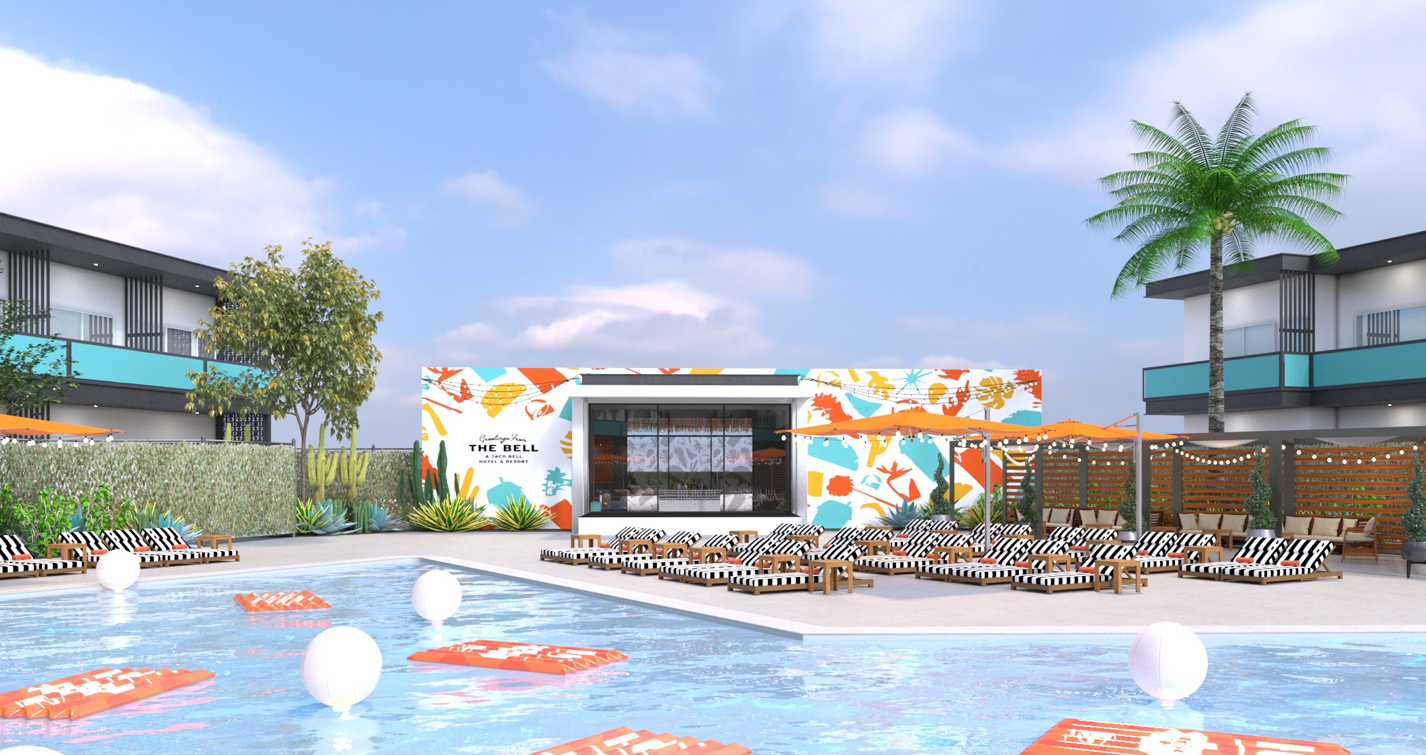
Taco Bell created a pop-up hotel in Palm Springs, California, themed entirely around its brand. The immersive experience included Taco Bell-inspired decor, menu items, and branded activities, allowing fans to fully live inside the brand and engage with it in a unique setting. This brand activation sold out in minutes and generated massive earned media coverage.
Lush – “Lush Labs” Pop-Up
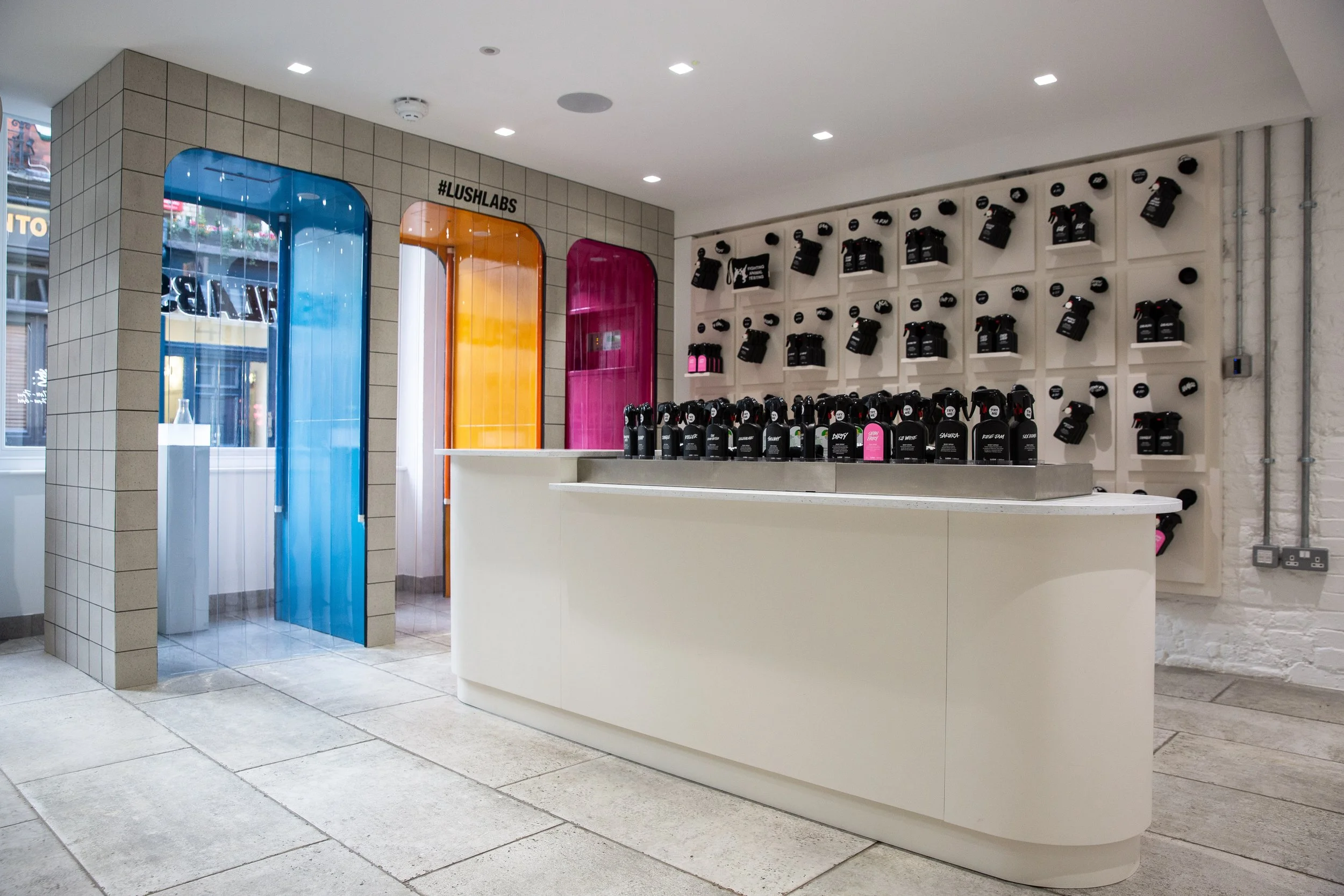
Lush Cosmetics opened a temporary store in London featuring interactive stations where customers could experiment with new products and ingredients. The activation focused on customer participation and real-time feedback, turning shoppers into co-creators and generating valuable product insights in the process.
Patagonia – “Worn Wear” Tour
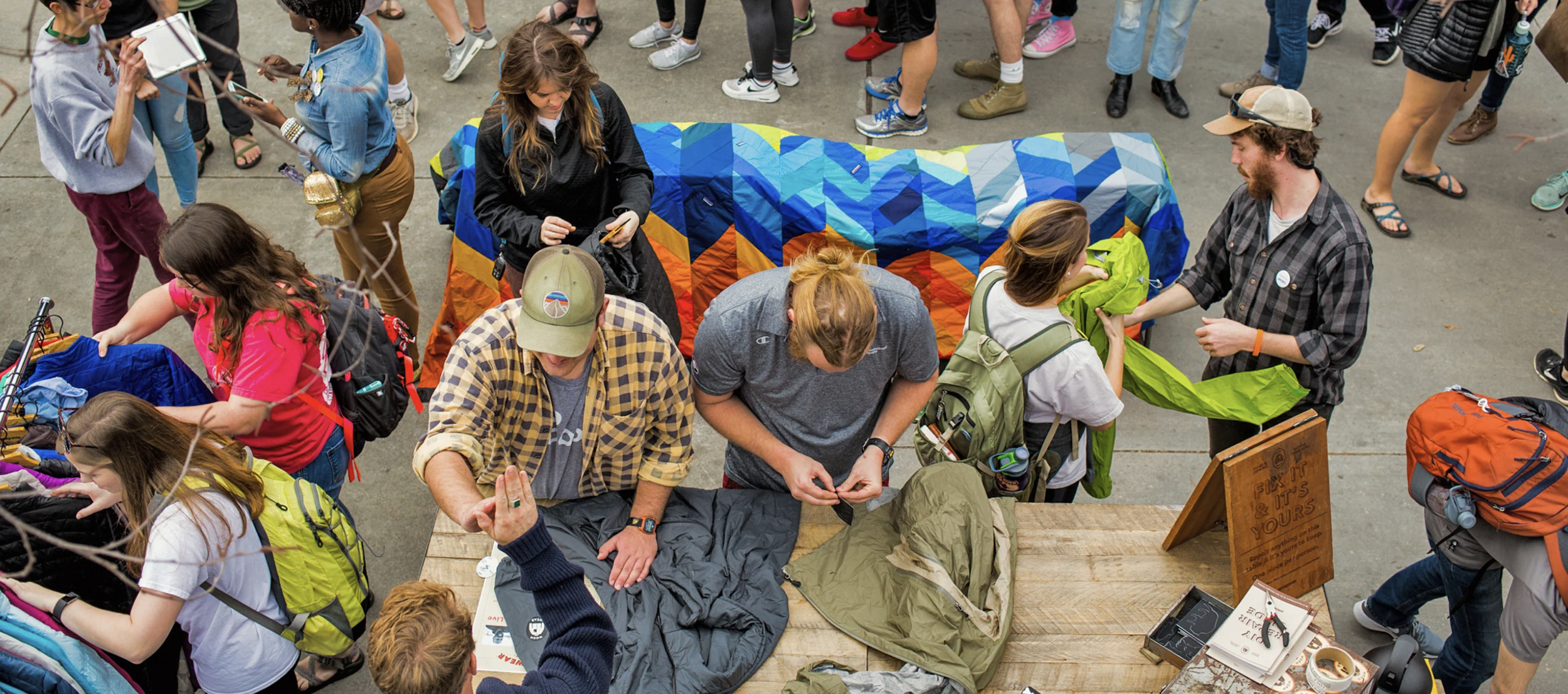
Patagonia’s Worn Wear Tour – a nationwide tour encouraging customers to repair, recycle, and trade in their used Patagonia gear is one of the most compelling examples of values-driven brand activation. The tour included repair workshops and swap events to promote sustainable practices reinforcing Patagonia’s sustainability positioning in a tangible, participatory way. It gave the brand a reason to show up in communities across the country.
Levi’s – “Live in Levi’s” Campaign
Live in Levi’s featured a pop-up installation in New York where visitors could customize their jeans and learn about the brand’s heritage through interactive exhibits and workshops. This brand activation blended product personalization with brand storytelling, giving participants something to take home that was uniquely theirs.
The North Face – “Explore Mode”
The North Face’s Explore Mode campaign invited people to go on outdoor adventures with the help of an interactive map that guided users to hidden gems in their area. The initiative included a social media component where users shared their experiences. A strong example of how community engagement and place-based discovery can be combined into a single activation.
Heineken – “The Entertainer” Pop-Up Bar
Heineken set up a pop-up bar in London with a unique twist: it was powered by a dance floor that generated energy through movement. The activation combined social interaction with sustainability, giving participants a tangible, physical way to experience the brand’s values rather than just hear about them.
Pepsi – “Pepsi Blackout” Event
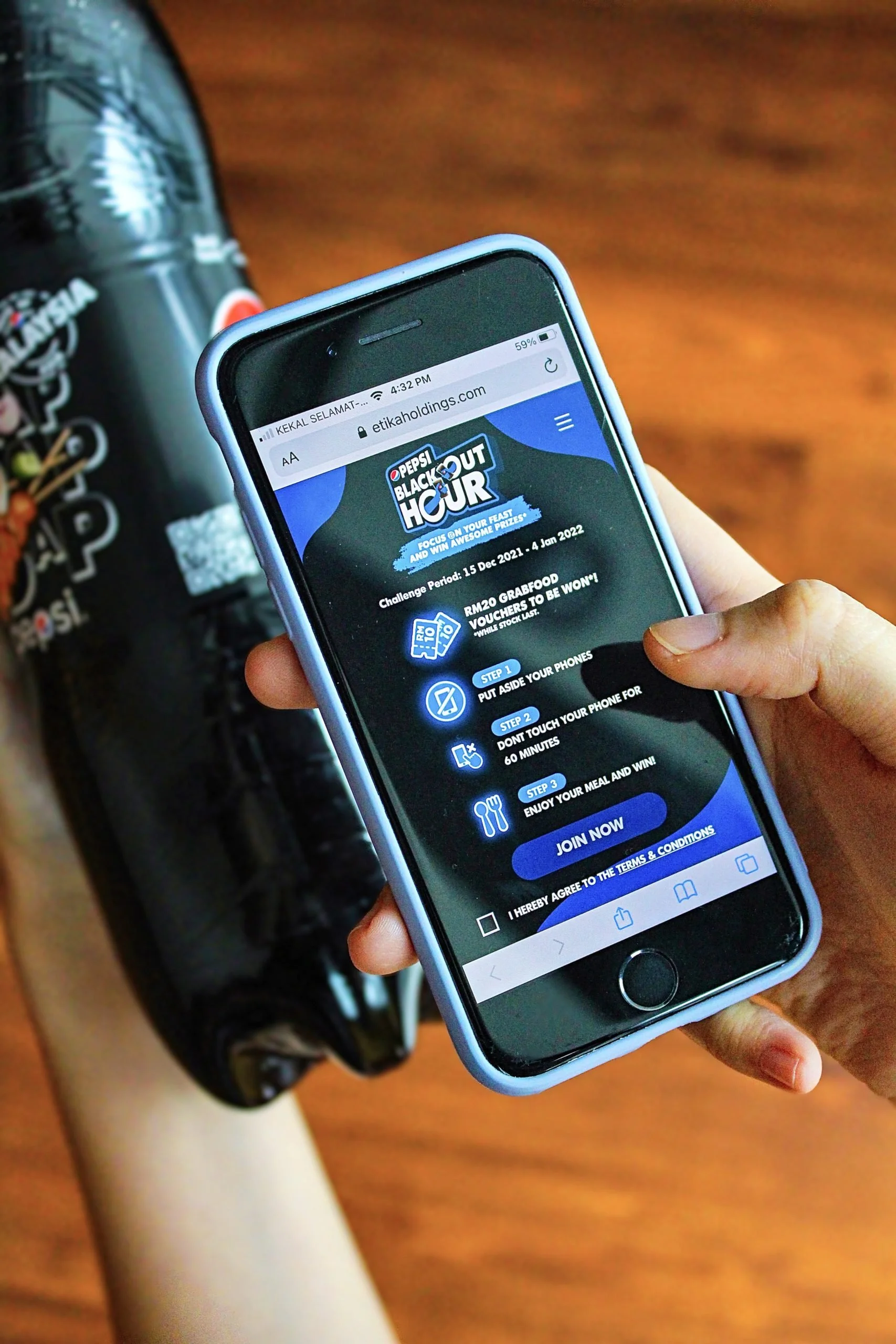
The Pepsi Blackout Campaign is a great example of brand activation that encourages consumers to disconnect from their devices for a dedicated hour and reconnect with the world around them. By promoting intentional presence, Pepsi created a brand experience that felt countercultural and authentic to engage with its audience, and foster a unique experience that reinforces the brand’s values through behaviour rather than messaging.
Sephora – “Beauty Insider Community”
Sephora launched a community-driven activation where Beauty Insider members could attend exclusive events, participate in live Q&A sessions with beauty experts, and receive personalized recommendations. This activation rewarded loyalty with access, turning the brand’s best customers into an engaged inner circle and generating powerful word-of-mouth.
PUMA – “PUMA House of Innovation”
PUMA created an interactive store in New York City featuring digital touch points where customers could design their own sneakers and engage with the brand through augmented reality experiences. This activation blurred the line between retail and entertainment, making the store itself the experience.
KFC – “KFC Restaurant of the Future”
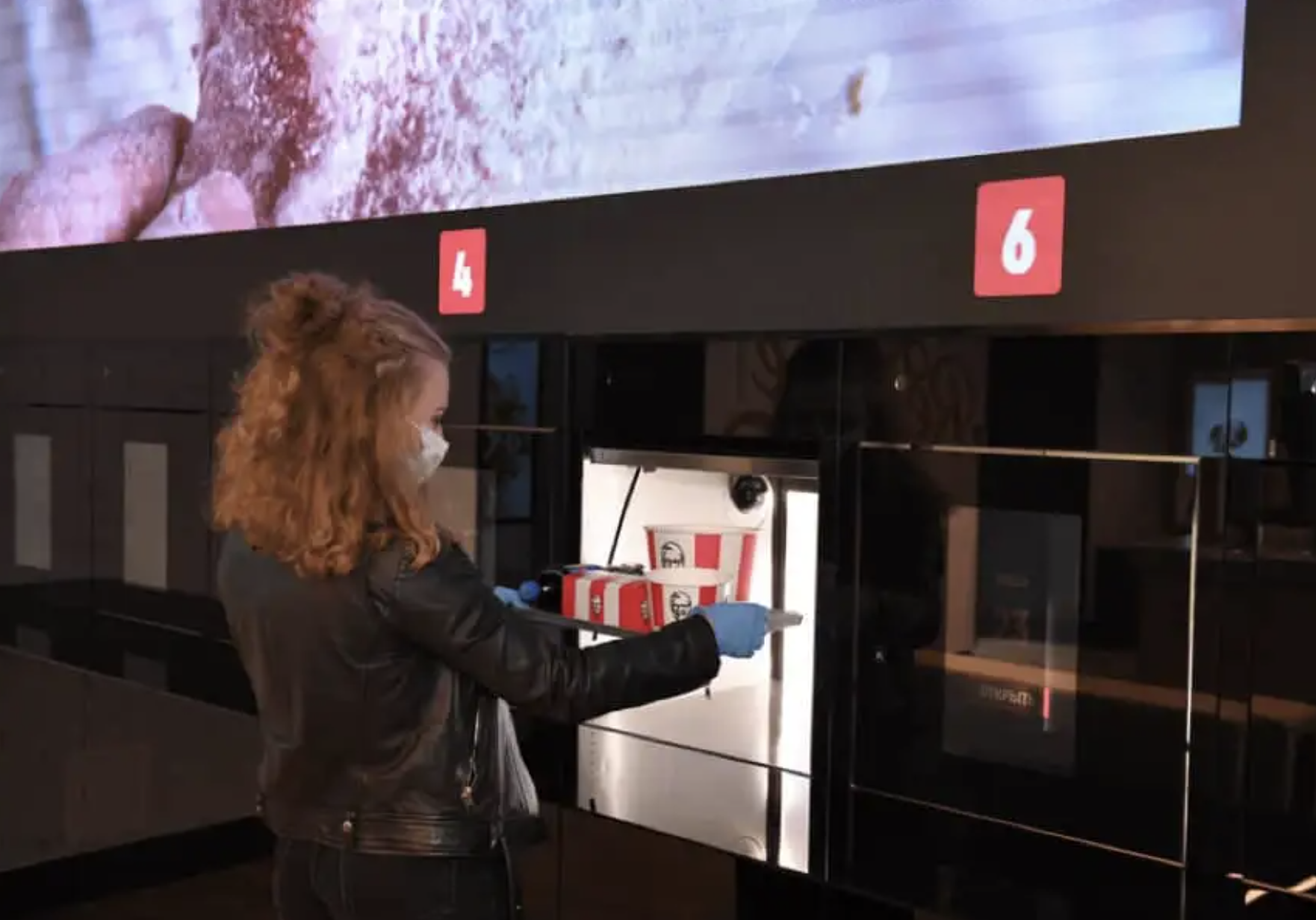
KFC introduced a futuristic restaurant concept called KFC Restaurant of the Future, designed to minimize contact points through digital kiosks and a contactless automated pickup system. This innovative space features biometric payment options, allowing customers to quickly access their favorite meals with facial recognition technology. As an incubator for new ideas, the restaurant aims to enhance the digital transformation of KFC, ensuring safety and efficiency in the evolving fast-food landscape.
Samsung – “Samsung Galaxy Studio”
Samsung opened interactive studios in major cities where visitors could experience the latest Galaxy devices through hands-on demonstrations, VR experiences, and workshops. By bringing the product to life in a curated environment, Samsung gave consumers a reason to engage with the brand on its own terms, rather than in a crowded retail aisle.
The Future of Brand Activation: Technology Meets Experience
The 18 examples above share a common thread: they all recognize that modern consumers don’t want to be advertised to– they want to be part of something. The most effective brand activations aren’t campaigns that happen at people; they’re experiences that happen with them.
As we move deeper into 2026, the brands winning at activation are the ones combining three elements: a compelling creative idea, the right technology platform, and a commitment to measuring what actually matters. They’re not just tracking impressions or social mentions, they’re tracking participation, engagement depth, and the behavioral data that reveals what their audience truly values.
This is where Seeker XP comes in. Built specifically for brands and destination marketers looking to double down on their marketing efforts through experiential marketing, Seeker XP powers the kind of activations that turn passive visitors into active participants. Whether you’re running a digital passport program that guides people through a destination, a photo scavenger hunt that generates user-created content, or a check-in challenge that rewards exploration, Seeker XP gives you the tools to create an activation that’s both memorable and measurable.
The brands that will dominate in 2026 are choosing to market for participation, measure what matters, and iterate relentlessly. They use technology not as a gimmick, but as a way to deepen the human connection between brand and audience.